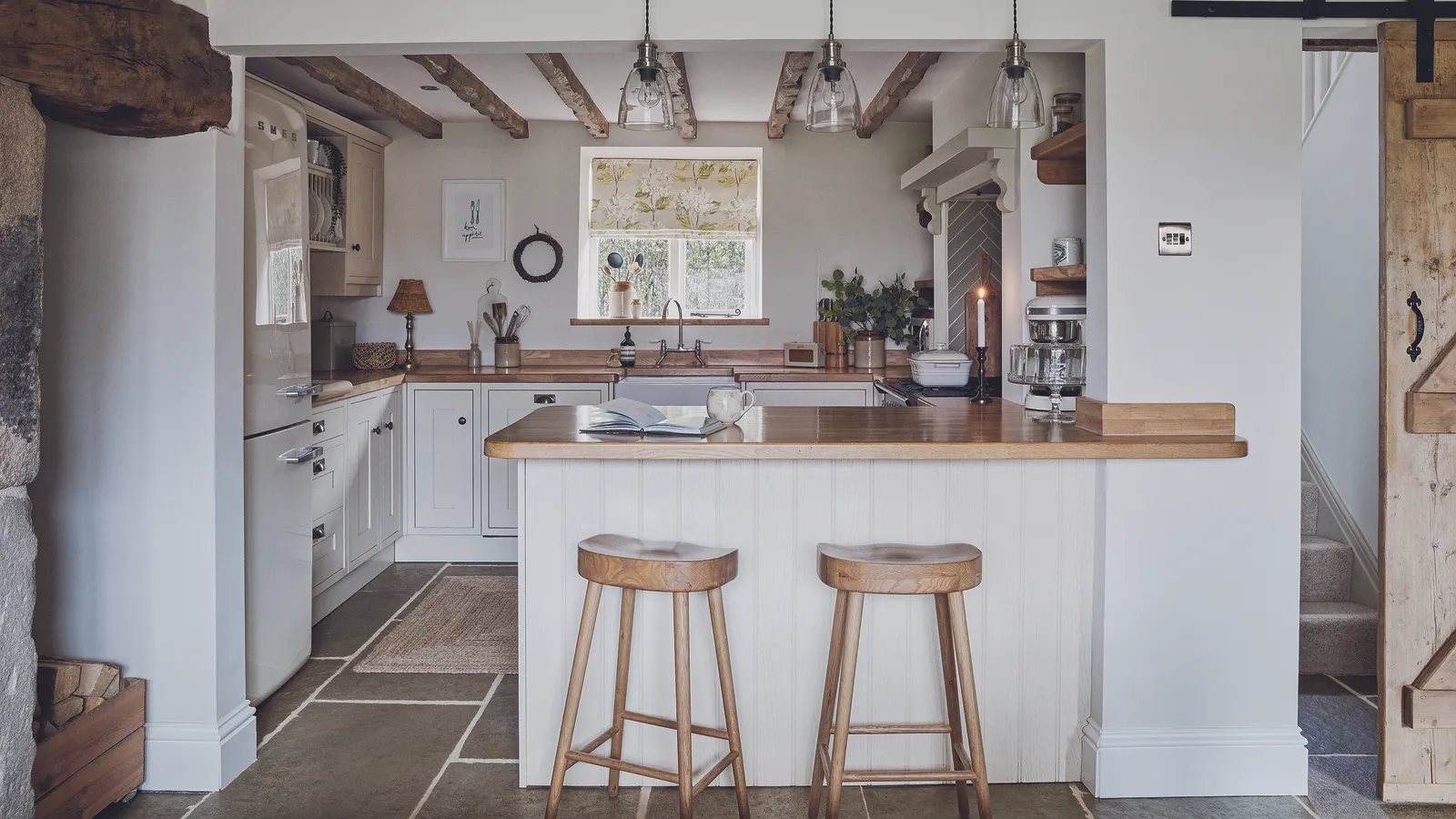
Creative Kitchen Storage for Smaller Cooking Spaces
Small kitchens do not fail because they are small. They fail because every pan, packet, lid, spice jar, and cutting board fights for the same few inches. Creative Kitchen Storage solves that fight by giving every item a smarter home, especially in apartments, condos, townhomes, and older American houses where cooking space was never planned for modern habits.
A tight kitchen can still feel calm when the room works with you instead of against you. The trick is not buying more bins or stuffing every cabinet until the door barely shuts. That only moves the mess out of sight. Better storage starts with honest choices: what you use daily, what deserves prime space, and what needs to leave the kitchen altogether.
A smaller cooking area should feel quick, clear, and easy to reset after dinner. Even trusted home improvement resources like PR Network’s practical home guidance point toward smarter living choices, and storage sits right at the center of that idea. When your kitchen gives back space, your whole day feels less cramped.
Creative Kitchen Storage Starts With What You Reach For First
A small kitchen exposes every weak habit. If the coffee mugs sit three steps from the machine, if the skillet hides under three pots, or if the spices live above the stove where you cannot see them, the room drains energy before breakfast is over. Storage should follow movement, not wishful thinking.
Why Daily-Use Items Deserve the Best Space
The easiest mistake is giving the biggest cabinet to the wrong things. Many people keep holiday platters, extra pitchers, or rarely used baking tools in the most reachable spots because those items arrived there first. Meanwhile, the cutting board you use every night leans behind a toaster oven. That is backward.
Daily-use items should live between shoulder and knee height whenever possible. Plates, bowls, mugs, everyday pans, oils, salt, pepper, and prep tools deserve the spots that need no bending, stretching, or cabinet digging. In small kitchen storage ideas, this one change often creates the biggest relief without buying anything new.
Think of your kitchen like a checkout lane. The items that move fastest need the shortest path. A family in a Chicago apartment, for example, might place breakfast bowls above the dishwasher, mugs next to the coffee maker, and lunch containers near the fridge. Nothing fancy. Nothing expensive. The room simply stops wasting steps.
How to Build Zones Without Adding Cabinets
A small kitchen does not need more walls of cabinetry to feel organized. It needs zones that match real use. One zone can handle coffee and tea. Another can hold cooking oils and spices. A third can store lunch-packing items. The point is to stop scattering one task across four parts of the room.
Compact cooking spaces work better when each task has a short loop. For meal prep, keep knives, boards, mixing bowls, and trash bags close to the counter where you chop. For stovetop cooking, keep pans, lids, oil, and wooden spoons near the range. This setup feels almost too simple until you cook one dinner without opening every cabinet.
The counter should not carry every zone at once. A coffee station can use one small tray. A cooking zone can use a narrow pull-out shelf or a cabinet door rack. A prep zone can use a wall rail for tools. The room gains order because each object has a reason for being where it is.
Use Vertical Space Before You Blame the Floor Plan
Once the main zones feel sane, the next problem appears above eye level. Most small kitchens waste walls, cabinet sides, door backs, and the empty air above shelves. That space may look minor, but in a tight room, vertical storage can decide whether the counter stays clear or becomes a dumping ground.
Can Wall Rails Make Small Kitchen Storage Ideas Work Better?
Wall rails work because they turn thin air into storage without making the room feel boxed in. A simple rail can hold utensils, small pans, measuring cups, dish towels, or spice baskets. Unlike a bulky cabinet, it keeps tools visible and easy to grab.
This matters in rentals across the USA, where permanent changes may not be allowed. Many rails can be mounted with careful hardware, and lighter adhesive systems can support small items when used correctly. A renter in a Brooklyn studio may not be able to remodel, but they can still move cooking tools off the counter and onto the wall.
The key is restraint. A rail should not become a public junk drawer. Hang what you use often and leave breathing room between pieces. A crowded wall rail turns into visual noise fast, and small rooms punish visual noise harder than large ones.
Cabinet Doors, Shelf Risers, and Hidden Surfaces
Cabinet doors are quiet storage gold. The inside of a door can hold measuring spoons, wraps, pot lids, cleaning gloves, spice jars, or cutting boards. That hidden surface keeps small items from sliding around on shelves and makes shallow storage feel deeper than it is.
Shelf risers solve a different problem. They stop cabinets from wasting height. If you stack bowls directly on plates, both become annoying to grab. A riser separates the levels, so plates stay low, bowls sit above, and nothing needs to be lifted as a tower. This is one of those space-saving kitchen solutions that feels small until you live with it.
Tall shelves need the same thinking. Keep light, seasonal, or backstock items higher up. Store heavy pans lower. A step stool can help, but no one wants to climb for dinner plates on a Tuesday night. Good storage respects the body as much as the cabinet.
Make Cabinets Work Harder Without Turning Them Into Caves
Cabinets are supposed to help, yet many become dark caves where lids vanish and expired food waits in the back. The deeper the cabinet, the worse this gets. A small kitchen cannot afford dead space, so every cabinet needs a clear job and a way to bring hidden items forward.
How Cabinet Organization Changes the Whole Room
Cabinet organization starts with removing the fantasy version of your kitchen. If you rarely bake, the cake pans do not need front-row placement. If you cook rice twice a week, the rice cooker earns better space than the fondue set you have not touched since 2018. Storage gets easier when honesty enters the room.
Pull-out bins help deep cabinets because they create drawers where drawers do not exist. Put snacks in one bin, baking supplies in another, and grains in another. Instead of reaching behind five bags, you pull the whole group forward. This works especially well for pantry cabinets in smaller cooking spaces.
Clear containers can help, but only when they solve a true problem. Decanting every dry good into matching jars looks nice online, yet it can become unpaid labor. Use containers for messy, bulky, or hard-to-stack items first. Flour, rice, pasta, cereal, and snack bags often need them. Tiny packets can stay in labeled bins.
Fixing the Pot, Pan, and Lid Problem
Pots and pans cause chaos because they are heavy, round, and awkward. Stacking them deeply may save space for one minute, then steal it back every time you need the bottom pan. The better move is to store by frequency and shape.
Keep your two most-used pans easy to grab. Use a vertical rack for lids, baking sheets, cutting boards, and cooling racks. If cabinet height allows, pan organizers can hold skillets on their sides like files. This prevents the loud metal avalanche that makes cooking feel harder than it needs to be.
Lids deserve their own system. Door racks work well for flat lids, while a shallow bin can hold odd shapes. Pairing every lid with every pot is not always the best answer. Sometimes the smarter choice is keeping lids together so you can see the whole set at once. Less romance. More function.
Keep Counters Clear Enough for Real Cooking
A small kitchen counter has to earn its space twice. It holds appliances, groceries, mail, dishes, prep work, and sometimes a laptop during a busy morning. If every inch stays occupied, cooking turns into a negotiation. You move the toaster to chop onions, move the onions to plate food, then move everything again to clean.
Which Appliances Should Stay on the Counter?
Counter space should belong to items used daily or nearly daily. Coffee makers, toasters, air fryers, and blenders all compete for that honor, but not all of them deserve it. The question is not whether you own the appliance. The question is whether it earns permanent rent.
A toaster used every morning can stay out. A blender used twice a month should move into a cabinet, pantry shelf, or nearby utility closet. An air fryer used five nights a week might deserve a landing zone, but it still needs space around it for safe heat release and easy cleaning.
Small appliance storage works best when you group by routine. Breakfast items near breakfast prep. Dinner appliances near cooking zones. Rare-use machines off the counter. This kind of decision-making keeps space-saving kitchen solutions from becoming another shopping project with no real payoff.
How Trays, Baskets, and Reset Habits Protect Space
A tray can make a counter feel calmer because it draws a boundary. Oils, salt, pepper, and a spoon rest on one tray look intentional. The same items scattered across the counter look like clutter. The tray does not reduce the number of objects, but it changes how the eye reads them.
Baskets help with temporary clutter. A small basket near the kitchen entry can catch mail, keys, or random items that would otherwise spread across the counter. The catch is that the basket needs a weekly reset. Without that habit, it becomes a prettier pile.
Creative Kitchen Storage works best when the room has a reset rhythm. After dinner, clear the counter, return tools to their zones, wipe the prep area, and empty the drying rack if possible. The goal is not perfection. The goal is waking up to a kitchen that does not already feel behind.
Conclusion
A smaller kitchen teaches you fast. It shows what you use, what you avoid, what you bought for the life you imagined, and what your actual Tuesday night demands. That honesty can feel annoying at first, but it is useful. Large kitchens let bad habits hide. Small ones make you choose better.
The smartest storage choices do not try to turn a compact room into a showroom. They make cooking easier, cleaning faster, and mornings less crowded. Creative Kitchen Storage gives you that shift by matching space to behavior instead of forcing behavior around poor space. That is the part many people miss.
Start with one cabinet, one counter zone, or one daily routine. Fix the area that bothers you most, then let that win pull the next one forward. Do not wait for a remodel to make the room work harder for you. Open one cabinet today, remove what does not belong, and give your kitchen back its breathing room.
Frequently Asked Questions
What are the best small kitchen storage ideas for apartments?
Use vertical wall rails, cabinet door racks, shelf risers, pull-out bins, and narrow rolling carts. Apartments often limit remodeling, so focus on removable or low-impact upgrades. The best setup keeps daily tools close while moving rare-use items away from prime cabinet space.
How can I organize compact cooking spaces without adding cabinets?
Create task zones for prep, cooking, coffee, and cleanup. Store tools near the place you use them instead of grouping everything by type. A small kitchen feels larger when each routine has a short path and fewer cabinet stops.
What should not be stored on a small kitchen counter?
Keep rarely used appliances, extra dishes, mail, bulk pantry goods, and decorative pieces off the counter. Counter space should support cooking first. Anything that does not help daily prep, serving, or cleanup should move to a cabinet, shelf, closet, or pantry area.
How do I make deep kitchen cabinets easier to use?
Use pull-out bins, lazy Susans, labeled baskets, and shelf dividers. Deep cabinets waste space when items disappear in the back. A pull-forward system lets you see and reach everything without unloading half the shelf.
Are open shelves good for smaller cooking spaces?
Open shelves work well when they hold items you use often and can keep tidy. They fail when they become display storage for mismatched clutter. Use them for plates, bowls, mugs, or jars that look clean and serve a clear purpose.
How can cabinet organization help a tiny kitchen feel bigger?
Organized cabinets reduce counter clutter, speed up cooking, and make the room easier to reset. When every item has a clear home, surfaces stay open. That open space changes how the kitchen feels, even when the square footage stays the same.
What are the best space-saving kitchen solutions for renters?
Try freestanding shelves, rolling carts, adhesive hooks for light items, tension rods, over-door racks, and removable drawer dividers. Renters should choose storage that adds function without damaging walls, cabinets, or lease agreements.
How often should I reset kitchen storage systems?
Review storage every three to six months, or sooner if daily routines change. A system that worked last winter may not fit summer cooking, school lunches, or new appliances. Small kitchens stay functional when storage adapts before clutter takes over.